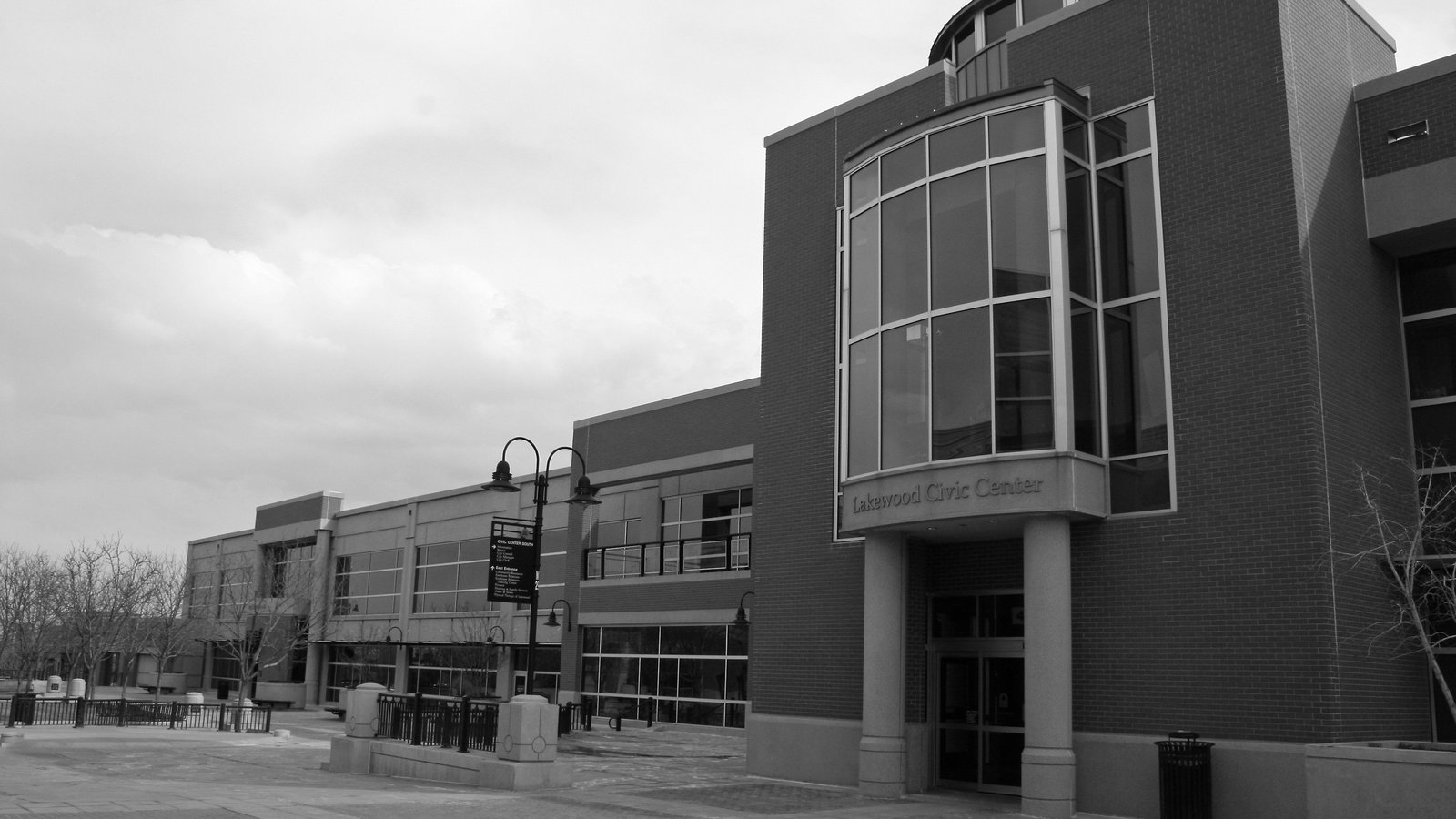
LAKEWOOD — Lakewood residents will vote April 7 on whether to repeal four zoning ordinances that would allow duplexes, triplexes, and townhomes across the city, eliminate parking minimums near transit, and cap new home sizes at 5,000 square feet.
The special election was triggered after opponents collected more than 10,000 signatures challenging the ordinances, which the City Council approved in a series of late-night votes across September and October 2025. Mail-in ballots will be sent to all active registered voters beginning in mid-March.
The ballot contains four separate questions, each corresponding to an ordinance the council passed across multiple meetings in September and October 2025. Ordinance 2025-29, which replaced “single-family zoning,” passed 9-2 on September 22. The final zoning map vote on October 13 passed 8-3, with Councilmembers David Rein, Jacob LaBure, and Paula Nystrom dissenting.
Under Ordinance 2025-29, “residential dwellings” is a category that includes duplexes, triplexes, and townhomes alongside single-family homes. Ordinance 2025-27 eliminated parking minimums for residences in transit areas and affordable housing units. Ordinances 2025-28 and 2025-30 work in tandem with the other two to allow varied housing types citywide.
Together, the four ordinances represent Lakewood’s first major zoning overhaul since 2012. The nearly 400-page rewrite was split across four council meetings, some of which stretched past midnight, according to Colorado Politics.
A “yes” vote repeals the zoning changes. A “no” vote keeps them in place.
City Clerk Jay Robb confirmed the sufficiency of four referendum petitions on January 12, 2026. The petitions targeted Ordinances 2025-27, 2025-28, 2025-29, and 2025-30, which had taken effect on January 1. All four petitions carried at least 3,600 signatures, with three surpassing 4,000. More than 6,000 unique registered voters signed, well above the threshold of roughly 3,500 signatures (3% of Lakewood’s approximately 117,000 registered voters), according to the Denver Gazette.
On January 27, the council voted to place all four measures on an April 7 special election ballot.
Karen Gordey, head of the Lakewood Citizens Alliance, which describes itself as “volunteer-led and community-funded” with “no paid political consultants or professional advocacy firms,” said the election is about restoring public input.
“Major land-use decisions should reflect informed public consent,” Gordey said, as reported by the Denver Gazette. “A special election provides the transparency and voter participation necessary for the community to decide the future of its neighborhoods and the city as a whole.”
Gordey also appeared on The Kim Monson Show on February 19, where she urged listeners to vote yes on April 7. “These are radical zoning changes that would allow high density in the entire city,” Gordey said on The Kim Monson Show. “And so we want to vote yes to repeal on April 7th.”
Opponents of the repeal, organized under the Make Lakewood Livable campaign, argue the reforms are necessary to address housing affordability. Sophia Mayott-Guerrero, a former councilmember who manages the campaign, told the Denver Gazette that “too many things, from making rent to ever owning a home, feel out of reach for most people in Colorado.”
Councilmember Paula Nystrom, who voted against the original ordinances, countered that the city has alternatives. “We have 40-plus underutilized properties in this city,” Nystrom said, according to Colorado Politics. “We do not need to go into all of these neighborhoods and change the character.”
On February 10, the council passed a resolution 9-2 urging residents to vote no on all four ballot questions, effectively asking voters to preserve the zoning changes. Councilmembers LaBure and Nystrom dissented.
The zoning debate is the latest chapter in Lakewood’s long-running tension over development. In 2019, voters approved a 1% annual cap on new housing construction with approximately 53% support. In 2023, the council voted 8-3 to add an expiration date to that cap, a move intended to bring the city into compliance with state law but which left growth policy in flux.
Lakewood, with a population of approximately 156,000, is the fifth-largest city in Colorado.